
-
English
-
 Español
-
 Português
-
 Русский
-
 Français
-
 日本語
日本語
-
 Deutsch
-
 Tiếng Việt
-
 Italiano
-
 Nederlands
-
 ไทย
ไทย
-
 Polski
-
 한국어
한국어
-
 Svenska
-
 Magyar
-
 Bahasa Melayu
-
 বাংলা
বাংলা
-
 Dansk
Dansk
-
 Suomi
Suomi
-
 हिन्दी
-
 Filipino
-
 Türkçe
-
 Gaeilge
-
 العربية
-
 Bahasa Indonesia
-
 Norsk
Norsk
-
 اردو
اردو
-
 Čeština
-
 Ελληνικά
-
 Українська
-
 Basa Jawa
-
 فارسی
فارسی
-
 தமிழ்
தமிழ்
-
 తెలుగు
-
 नेपाली
-
 မြန်မာ
-
 Български
-
 ລາວ
ລາວ
-
 Latina
-
 Қазақша
-
 Euskera
-
 Azərbaycan
-
 Slovenčina
-
 Македонски
-
 Lietuvių
-
 Eesti
Eesti
-
 Română
-
 Slovenščina
Home
>
Product
>
Bar Rebar Processing Equipment
>
CNC Rebar Bending Center
>
ZGW32 Type CNC Intelligent Rebar Bending Center
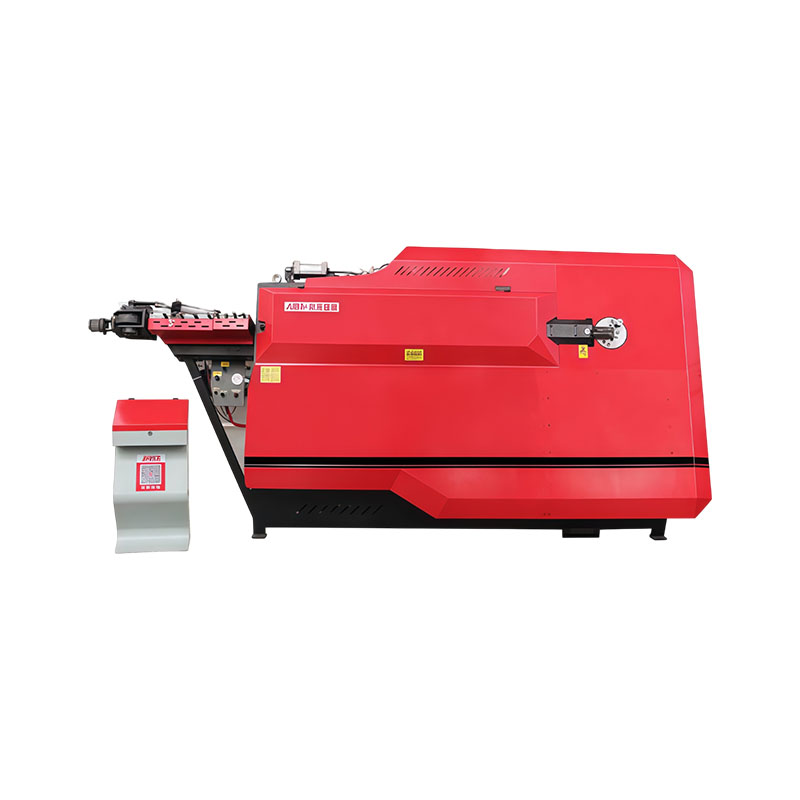
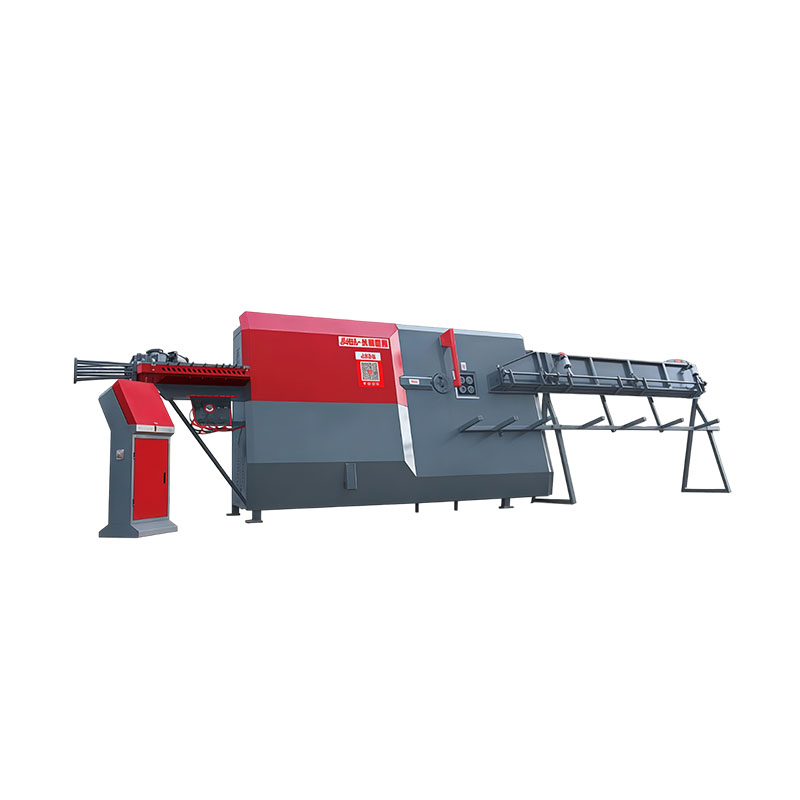
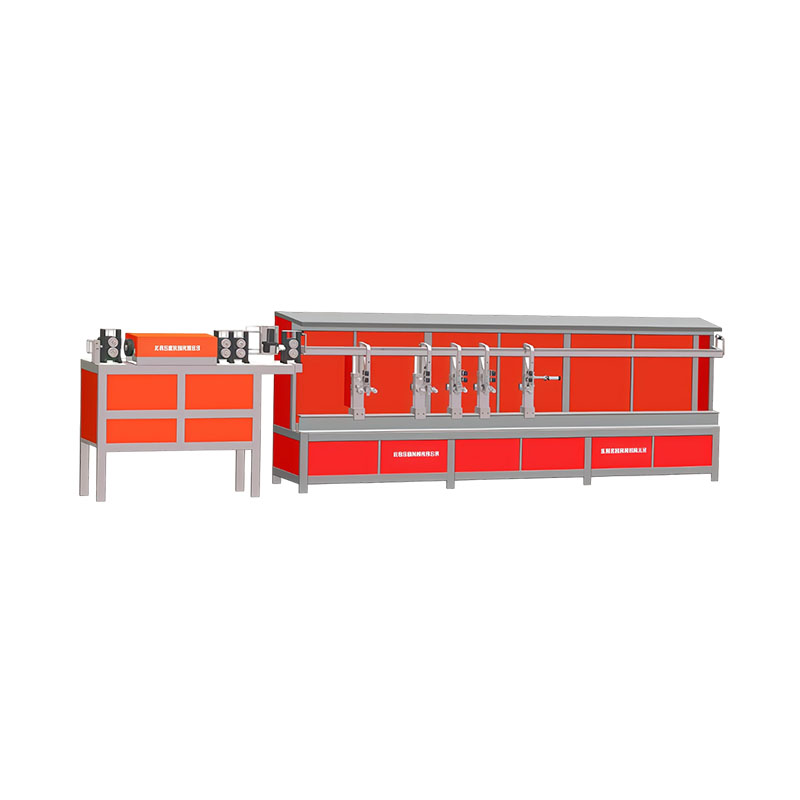
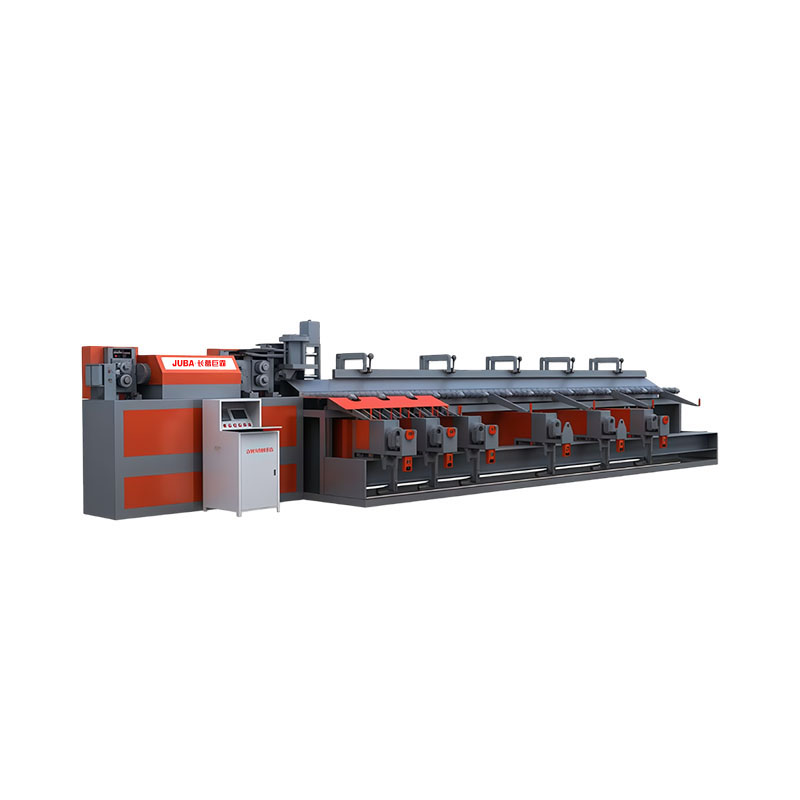
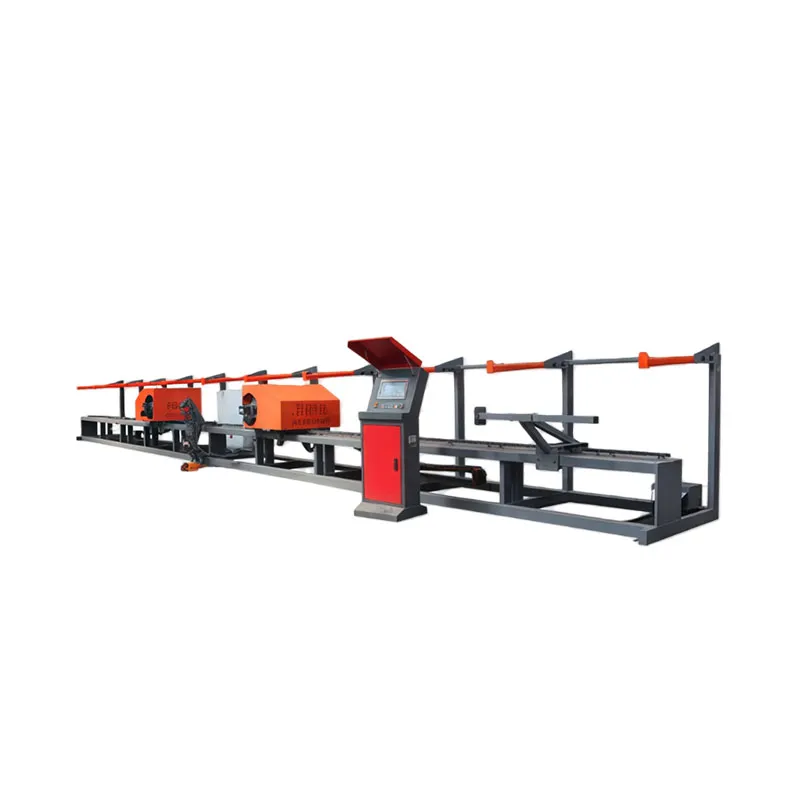
ZGW32 Type CNC Intelligent Rebar Bending Center
Juba Machinery's ZGW32 Type CNC Intelligent Rebar Bending Center is designed for efficient and precise rebar processing! It adopts a high-performance PLC + touchscreen control system, achieving fully automatic bidirectional bending and supporting the processing of rebars from Φ10-32mm. A telescopic bending pin + angle positioning system ensures bending accuracy of ±0.1° and a bending speed of up to 65°/s. The integrated moving track design is durable, and the graphic database pre-stores dozens of graphics for one-click recall. A single machine replaces traditional multi-process operations, increasing efficiency by 200%, and is suitable for construction, bridges, precast components, and other fields.
Send Inquiry
Product Description
Addressing the pain points of "insufficient bending accuracy, cumbersome operation, and uneven efficiency" in the processing of medium and large-sized rebars, Juba Machinery has precisely developed the Type 32 CNC rebar bending center. Unlike traditional single-machine bending equipment and large-scale production lines, it balances flexibility and efficiency, adapting to the precise bending processing of various rebar specifications, and can be quickly put into production without complex debugging.
The core of the equipment utilizes a high-performance PLC combined with a touchscreen control interface, making operation simple and easy to understand; workers can operate it independently after minimal training. The mobile bending main unit, equipped with a high-strength moving track, features an integrated design that is sturdy and durable. Bending lengths can be freely customized, adapting to different edge spacing requirements from 500-11000mm. An innovative telescopic bending pin is used, enabling bidirectional bending of rebars. Coupled with a database of dozens of pre-stored patterns, manual programming is unnecessary, significantly saving debugging time. An angle positioning system and a pneumatic-rack locking mechanism work together to ensure the main unit does not slip during processing, achieving both bending accuracy and repeatability, completely solving the problems of large deviations and poor stability of traditional equipment. Simultaneously, the equipment boasts powerful performance, capable of bending multiple rebars at multiple angles simultaneously, offering high processing speed and efficiency, perfectly suited for the batch processing needs of medium to large-scale construction sites and processing plants.
The core of the equipment utilizes a high-performance PLC combined with a touchscreen control interface, making operation simple and easy to understand; workers can operate it independently after minimal training. The mobile bending main unit, equipped with a high-strength moving track, features an integrated design that is sturdy and durable. Bending lengths can be freely customized, adapting to different edge spacing requirements from 500-11000mm. An innovative telescopic bending pin is used, enabling bidirectional bending of rebars. Coupled with a database of dozens of pre-stored patterns, manual programming is unnecessary, significantly saving debugging time. An angle positioning system and a pneumatic-rack locking mechanism work together to ensure the main unit does not slip during processing, achieving both bending accuracy and repeatability, completely solving the problems of large deviations and poor stability of traditional equipment. Simultaneously, the equipment boasts powerful performance, capable of bending multiple rebars at multiple angles simultaneously, offering high processing speed and efficiency, perfectly suited for the batch processing needs of medium to large-scale construction sites and processing plants.
Product Parameter
| Main Technical Parameters | ||||||||||||||||||
| Bending Rebar Diameter | Φ10-32mm | Maximum Bending Angle | 180° | |||||||||||||||
| Maximum Edge Spacing | 11000mm | Minimum Edge Spacing | 500mm | |||||||||||||||
| Bending Head Movement Speed | 0.2-0.9m/s | Total Power | 13kw | |||||||||||||||
| Bending Angular Velocity | 65°/s | Total Weight | 3300kg | |||||||||||||||
| External Dimensions | 12000×2200×1600mm | |||||||||||||||||
| Maximum Bending Capacity and Number of Bars Bending Simultaneously (Calculated based on Grade III threaded steel) |
|
|||||||||||||||||
|
||||||||||||||||||
| Product specifications are subject to continuous upgrades and technical parameters may vary depending on the actual equipment. | ||||||||||||||||||
Product Feature
• High-performance PLC combined with a touchscreen control interface for easy operation; mobile bending host with freely customizable bending length;
• Integrated design with high-strength moving track for durability;
• Telescopic bending pin enables bidirectional bending of rebar;
• Equipped with a graphic database, pre-stored with dozens of graphics for user selection;
• Employs an angle positioning system for high bending accuracy;
• Uses a pneumatic-rack locking mechanism to prevent slippage during processing, ensuring high repeatability and accuracy;
• Excellent equipment performance, capable of bending multiple rebars at once, at multiple angles, with high speed and efficiency;
Application Scenarios
This equipment is specifically designed for medium to large-sized rebar processing scenarios and is widely used in large-scale infrastructure construction sites, centralized rebar processing and distribution centers, precast component plants, bridge and tunnel projects, and high-rise buildings. It can efficiently complete various bending processes for Φ10-32mm grade III threaded steel bars, adapting to the rebar processing needs of beams, slabs, columns, and other engineering components. It is a core bending equipment that balances flexibility and efficiency.
Product Details Operation and Maintenance Guidelines
I. Equipment Operation Guidelines
1. Pre-start Inspection: Confirm that the power and air supply are normal, check that there are no obstructions on the moving track, that the bending pins and locking mechanisms are not loose, and that the PLC control system has no fault warnings before starting the equipment.
2. Parameter Setting: Select the preset graphic on the touch screen or manually set the bending length and angle. Start the trial processing mode and bend 1-2 steel bars. After verifying that the dimensions and angles are correct, start mass production.
3. Operation Monitoring: During equipment operation, personnel are strictly prohibited from approaching the moving main unit and the bending area. Unauthorized modification of processing parameters is strictly prohibited. If a fault alarm occurs, immediately stop the machine and disconnect the power. Troubleshoot the fault and then restart.
4. Shutdown Operation: After processing is completed, first stop feeding, clean the steel bar residue and dust from the equipment surface and track, then turn off the power and air supply, and reset the bending main unit to its initial position. II. Daily Maintenance
1. Daily Maintenance: Clean iron filings and dust from the bending pins, locking mechanism, and rails; check the air supply pipeline for leaks; lubricate the rails and transmission parts to ensure smooth operation.
2. Weekly Maintenance: Check the wear of the bending pins and molds; replace those exceeding the wear limit promptly; calibrate the angle positioning system accuracy and back up PLC system parameters; check the touchscreen sensitivity to ensure normal operation.
3. Monthly Maintenance: Tighten the machine body connections and rail fixing screws; clean dust from the electrical control cabinet and check the secureness of electrical wiring connections; verify the pressure of the pneumatic-rack locking mechanism to ensure reliable locking.
4. Long-Term Shutdown Maintenance: When the equipment is to be shut down for an extended period, perform rust prevention treatment on the bending pins and molds, and apply rust-preventive oil to the rails; cover the equipment with a dust cover and store it in a dry, well-ventilated warehouse, avoiding exposure to direct sunlight and rain.
• Integrated design with high-strength moving track for durability;
• Telescopic bending pin enables bidirectional bending of rebar;
• Equipped with a graphic database, pre-stored with dozens of graphics for user selection;
• Employs an angle positioning system for high bending accuracy;
• Uses a pneumatic-rack locking mechanism to prevent slippage during processing, ensuring high repeatability and accuracy;
• Excellent equipment performance, capable of bending multiple rebars at once, at multiple angles, with high speed and efficiency;
Application Scenarios
This equipment is specifically designed for medium to large-sized rebar processing scenarios and is widely used in large-scale infrastructure construction sites, centralized rebar processing and distribution centers, precast component plants, bridge and tunnel projects, and high-rise buildings. It can efficiently complete various bending processes for Φ10-32mm grade III threaded steel bars, adapting to the rebar processing needs of beams, slabs, columns, and other engineering components. It is a core bending equipment that balances flexibility and efficiency.
Product Details Operation and Maintenance Guidelines
I. Equipment Operation Guidelines
1. Pre-start Inspection: Confirm that the power and air supply are normal, check that there are no obstructions on the moving track, that the bending pins and locking mechanisms are not loose, and that the PLC control system has no fault warnings before starting the equipment.
2. Parameter Setting: Select the preset graphic on the touch screen or manually set the bending length and angle. Start the trial processing mode and bend 1-2 steel bars. After verifying that the dimensions and angles are correct, start mass production.
3. Operation Monitoring: During equipment operation, personnel are strictly prohibited from approaching the moving main unit and the bending area. Unauthorized modification of processing parameters is strictly prohibited. If a fault alarm occurs, immediately stop the machine and disconnect the power. Troubleshoot the fault and then restart.
4. Shutdown Operation: After processing is completed, first stop feeding, clean the steel bar residue and dust from the equipment surface and track, then turn off the power and air supply, and reset the bending main unit to its initial position. II. Daily Maintenance
1. Daily Maintenance: Clean iron filings and dust from the bending pins, locking mechanism, and rails; check the air supply pipeline for leaks; lubricate the rails and transmission parts to ensure smooth operation.
2. Weekly Maintenance: Check the wear of the bending pins and molds; replace those exceeding the wear limit promptly; calibrate the angle positioning system accuracy and back up PLC system parameters; check the touchscreen sensitivity to ensure normal operation.
3. Monthly Maintenance: Tighten the machine body connections and rail fixing screws; clean dust from the electrical control cabinet and check the secureness of electrical wiring connections; verify the pressure of the pneumatic-rack locking mechanism to ensure reliable locking.
4. Long-Term Shutdown Maintenance: When the equipment is to be shut down for an extended period, perform rust prevention treatment on the bending pins and molds, and apply rust-preventive oil to the rails; cover the equipment with a dust cover and store it in a dry, well-ventilated warehouse, avoiding exposure to direct sunlight and rain.
Send Inquiry
Please Feel free to give your inquiry in the form below. We will reply you in 24 hours.