
-
English
-
 Español
-
 Português
-
 Русский
-
 Français
-
 日本語
日本語
-
 Deutsch
-
 Tiếng Việt
-
 Italiano
-
 Nederlands
-
 ไทย
ไทย
-
 Polski
-
 한국어
한국어
-
 Svenska
-
 Magyar
-
 Bahasa Melayu
-
 বাংলা
বাংলা
-
 Dansk
Dansk
-
 Suomi
Suomi
-
 हिन्दी
-
 Filipino
-
 Türkçe
-
 Gaeilge
-
 العربية
-
 Bahasa Indonesia
-
 Norsk
Norsk
-
 اردو
اردو
-
 Čeština
-
 Ελληνικά
-
 Українська
-
 Basa Jawa
-
 فارسی
فارسی
-
 தமிழ்
தமிழ்
-
 తెలుగు
-
 नेपाली
-
 မြန်မာ
-
 Български
-
 ລາວ
ລາວ
-
 Latina
-
 Қазақша
-
 Euskera
-
 Azərbaycan
-
 Slovenčina
-
 Македонски
-
 Lietuvių
-
 Eesti
Eesti
-
 Română
-
 Slovenščina
Home
>
Product
>
Wire Rebar Processing Equipment
>
CNC Rebar Straightening Cutting and Bending Machines
>
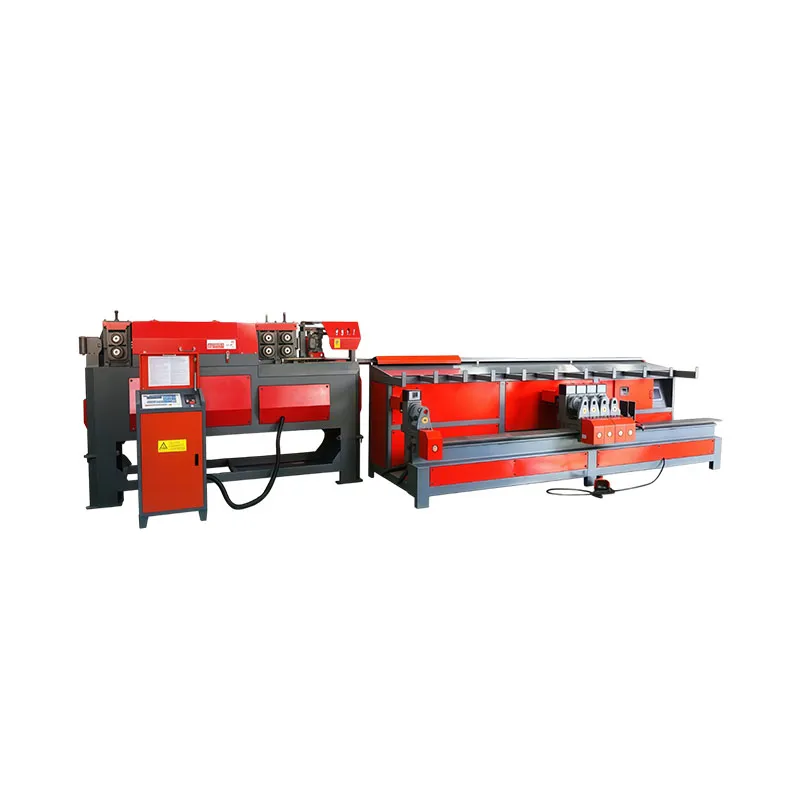
CNC Rebar Straightening Cutting and Bending Integrated Machine – Model 12 (Bottom Bend)
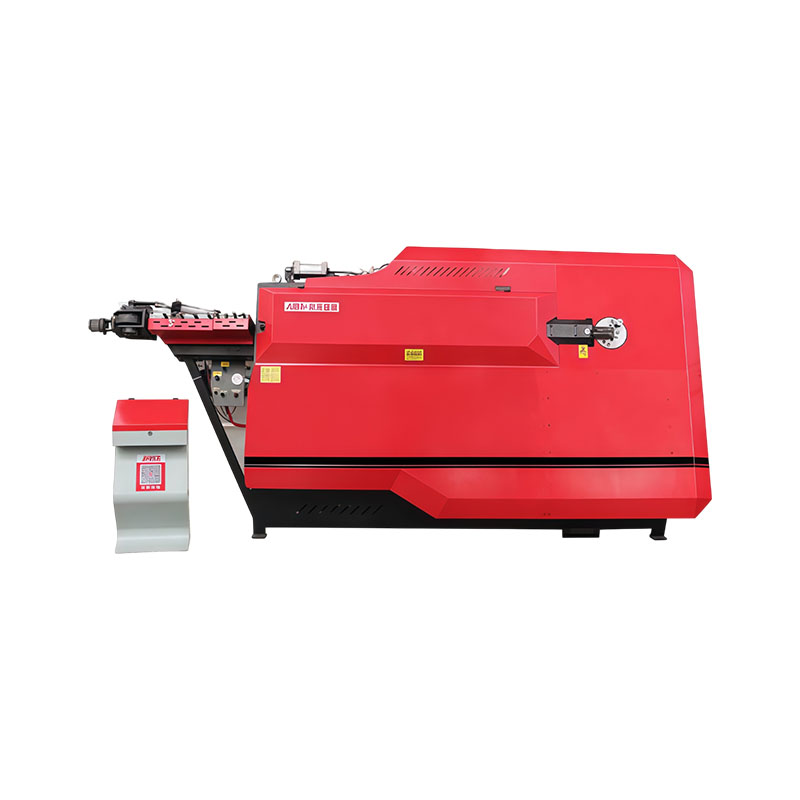
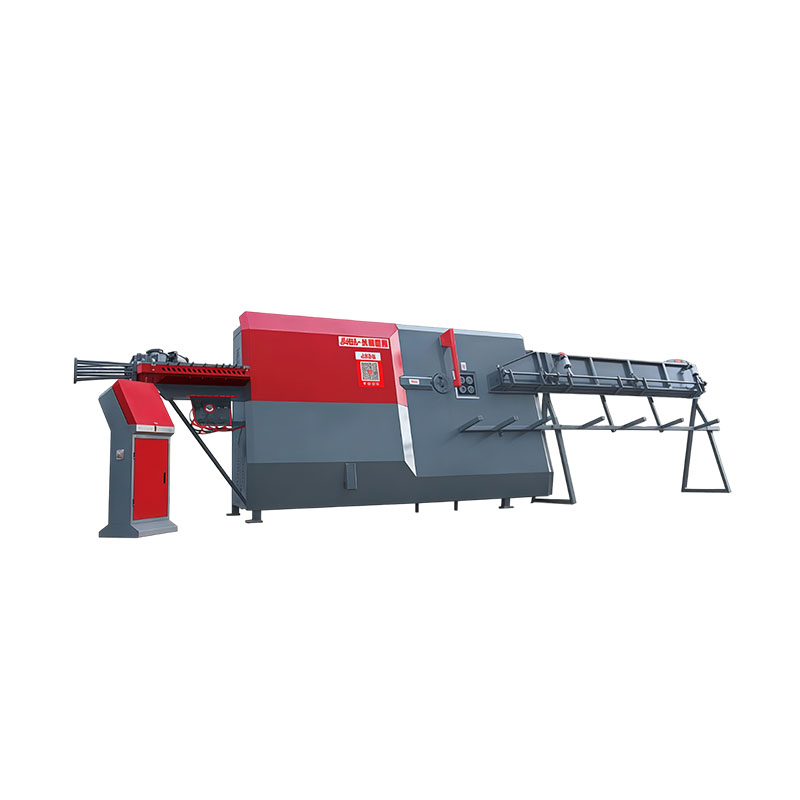
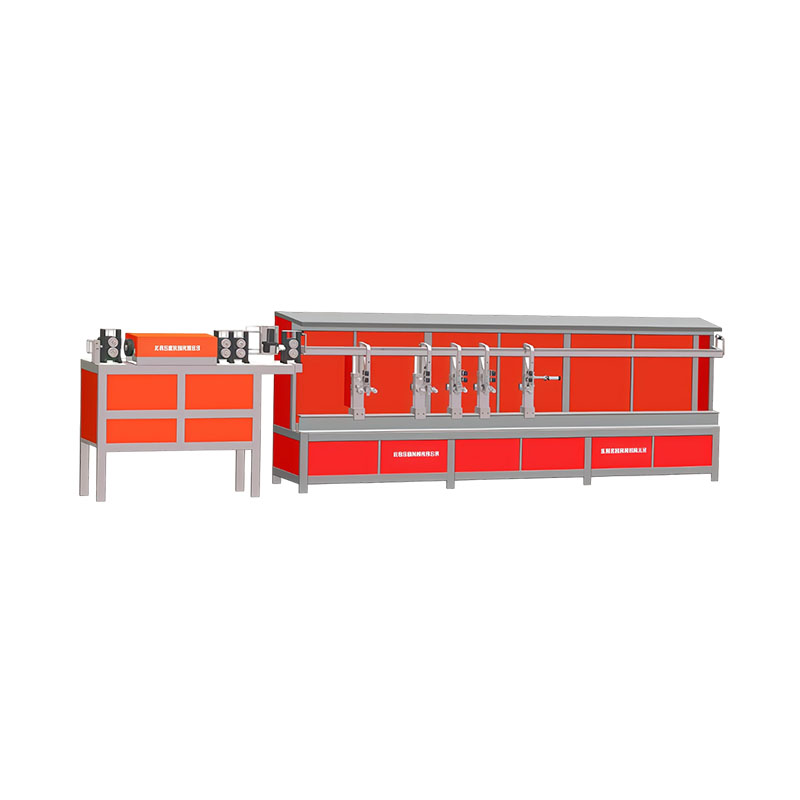
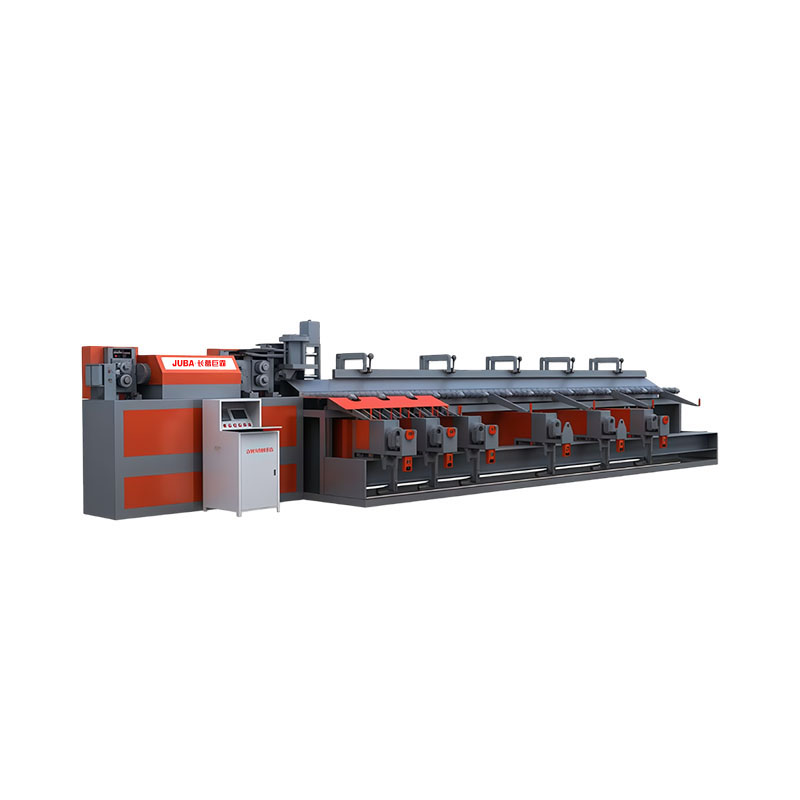

CNC Rebar Straightening Cutting and Bending Integrated Machine – Model 12 (Bottom Bend)
Juba Machinery is a leading global manufacturer and supplier of rebar processing equipment, focusing on efficient automation solutions. The CNC Rebar Straightening Cutting and Bending Integrated Machine – Model 12 (Bottom Bend) integrates straightening, cutting, and bending modules, achieving fully automated and precise processing (±0.1° angular accuracy) through PLC intelligent control, significantly improving production efficiency. It adopts an integrated welded frame and gear transmission system to ensure stable and durable equipment. It supports customized size cutting, is easy to operate, and saves labor costs. Purchase now and enjoy factory-direct pricing, customized adaptation, and readily available stock. We look forward to becoming your long-term, reliable rebar processing equipment partner, helping you improve project quality and efficiency, and reduce costs.
Send Inquiry
Product Description
The Juba Machinery Model 12 integrated rebar straightening, cutting, and bending machine is a highly efficient and automated processing equipment tailored for construction engineering and rebar processing plants. It completely solves the industry pain points of low efficiency, high labor costs, insufficient precision, and material waste in traditional rebar processing. This equipment can be precisely controlled through software programs, automatically completing a series of actions such as rebar feeding, fixed-length cutting, blanking alignment, bending and shaping, and automatic unloading. The processing flow is completed instantly, requiring minimal manual intervention, significantly reducing labor costs while dramatically improving production efficiency. The equipment is equipped with a digital computer control interface, offering user-friendly operation and management, allowing even beginners to quickly learn how to use it. Combined with a PLC control system, it is not only simple and easy to understand to operate but also allows for precise control of processing parameters, effectively preventing material waste and helping enterprises achieve refined and large-scale production. It is adaptable to various rebar processing scenarios and meets the processing needs of different projects.
Product Parameter
| Main Parameters | |||
|---|---|---|---|
| Equipment Model | Type 12 | Equipment Power | 37KW |
| Bending Range | 4-12mm | Bending Angle Accuracy | ±0.1° |
| Cut Length Accuracy | ±5mm | Maximum Bending Angle | 180° |
| Overall Dimensions | 8500*1500*2450mm | Machine Weight | 2800kg |
Product Feature
1. Three-in-one high-efficiency integration: Simultaneously completes straightening, cutting, and bending; a single machine replaces multiple production lines, saving space and labor costs.
2. Intelligent automation system: PLC control + automatic alignment function avoids human error, resulting in neat and standardized finished steel bars that meet project acceptance requirements.
3. Industrial-grade structure: Integrated welding frame + gear and rack drive ensures smooth and vibration-free operation, extending equipment lifespan by 20%.
4. User-friendly design: Touchscreen operation interface displays real-time fault diagnosis; automatic material receiving mechanism prevents workplace injuries; adaptable to complex construction site environments.
5. Multi-scenario adaptability: Supports batch processing of steel bars of different lengths, widely used in foundation construction, beam and column reinforcement cage fabrication, and steel mesh production.
Product Details
I. Instructions for Use
1. Installation: After the equipment arrives on site, place it on a flat, solid concrete surface. Adjust the frame to be level and secure it firmly with expansion bolts. Leave approximately 1 meter of space for maintenance and repair, as well as space for raw material storage and finished product transportation. Before connecting the power supply, check that the wiring is intact. After confirming that everything is correct, connect the 380V three-phase power supply and adjust the equipment parameters to meet production requirements.
2. Operation: Through the digital computer control interface, set parameters such as the rebar cutting length and bending angle. After confirming that the parameters are correct, place the rebar into the feed inlet and start the equipment. This will enable automatic conveying, straightening, cutting, bending, and unloading of the entire process. During operation, the equipment's running status can be observed in real time. If parameter adjustments are needed, the equipment can be paused for modification.
3. Maintenance: Regularly check the lubrication of the equipment's transmission components and add lubricating oil as needed; clean the internal steel debris daily to keep the equipment clean; regularly test the electrical system and control panel to ensure good wiring contact and sensitive response; if any abnormal noises or malfunctions are detected, immediately stop the machine and disconnect the power, troubleshoot the problem, and then restart to avoid equipment damage.
II. Precautions
1. Operators must undergo professional training and be familiar with the equipment's operating procedures before operating it. Unlicensed operation and violations are strictly prohibited.
2. During equipment operation, it is strictly forbidden to put hands or other body parts inside the equipment to avoid safety accidents; overloading is strictly prohibited to avoid damaging equipment components.
3. When the equipment is not in use for a long period, disconnect the power, clean the surface and interior of the equipment of dust and debris, perform rust prevention treatment, and store it properly.
4. If it is necessary to adjust equipment parameters or perform maintenance, the machine must be stopped and the power disconnected first to ensure safety before operation. It is recommended that maintenance be performed by professional technicians.
2. Intelligent automation system: PLC control + automatic alignment function avoids human error, resulting in neat and standardized finished steel bars that meet project acceptance requirements.
3. Industrial-grade structure: Integrated welding frame + gear and rack drive ensures smooth and vibration-free operation, extending equipment lifespan by 20%.
4. User-friendly design: Touchscreen operation interface displays real-time fault diagnosis; automatic material receiving mechanism prevents workplace injuries; adaptable to complex construction site environments.
5. Multi-scenario adaptability: Supports batch processing of steel bars of different lengths, widely used in foundation construction, beam and column reinforcement cage fabrication, and steel mesh production.
Product Details
I. Instructions for Use
1. Installation: After the equipment arrives on site, place it on a flat, solid concrete surface. Adjust the frame to be level and secure it firmly with expansion bolts. Leave approximately 1 meter of space for maintenance and repair, as well as space for raw material storage and finished product transportation. Before connecting the power supply, check that the wiring is intact. After confirming that everything is correct, connect the 380V three-phase power supply and adjust the equipment parameters to meet production requirements.
2. Operation: Through the digital computer control interface, set parameters such as the rebar cutting length and bending angle. After confirming that the parameters are correct, place the rebar into the feed inlet and start the equipment. This will enable automatic conveying, straightening, cutting, bending, and unloading of the entire process. During operation, the equipment's running status can be observed in real time. If parameter adjustments are needed, the equipment can be paused for modification.
3. Maintenance: Regularly check the lubrication of the equipment's transmission components and add lubricating oil as needed; clean the internal steel debris daily to keep the equipment clean; regularly test the electrical system and control panel to ensure good wiring contact and sensitive response; if any abnormal noises or malfunctions are detected, immediately stop the machine and disconnect the power, troubleshoot the problem, and then restart to avoid equipment damage.
II. Precautions
1. Operators must undergo professional training and be familiar with the equipment's operating procedures before operating it. Unlicensed operation and violations are strictly prohibited.
2. During equipment operation, it is strictly forbidden to put hands or other body parts inside the equipment to avoid safety accidents; overloading is strictly prohibited to avoid damaging equipment components.
3. When the equipment is not in use for a long period, disconnect the power, clean the surface and interior of the equipment of dust and debris, perform rust prevention treatment, and store it properly.
4. If it is necessary to adjust equipment parameters or perform maintenance, the machine must be stopped and the power disconnected first to ensure safety before operation. It is recommended that maintenance be performed by professional technicians.
Send Inquiry
Please Feel free to give your inquiry in the form below. We will reply you in 24 hours.