
-
English
-
 Español
-
 Português
-
 Русский
-
 Français
-
 日本語
日本語
-
 Deutsch
-
 Tiếng Việt
-
 Italiano
-
 Nederlands
-
 ไทย
ไทย
-
 Polski
-
 한국어
한국어
-
 Svenska
-
 Magyar
-
 Bahasa Melayu
-
 বাংলা
বাংলা
-
 Dansk
Dansk
-
 Suomi
Suomi
-
 हिन्दी
-
 Filipino
-
 Türkçe
-
 Gaeilge
-
 العربية
-
 Bahasa Indonesia
-
 Norsk
Norsk
-
 اردو
اردو
-
 Čeština
-
 Ελληνικά
-
 Українська
-
 Basa Jawa
-
 فارسی
فارسی
-
 தமிழ்
தமிழ்
-
 తెలుగు
-
 नेपाली
-
 မြန်မာ
-
 Български
-
 ລາວ
ລາວ
-
 Latina
-
 Қазақша
-
 Euskera
-
 Azərbaycan
-
 Slovenčina
-
 Македонски
-
 Lietuvių
-
 Eesti
Eesti
-
 Română
-
 Slovenščina
Home
>
Product
>
Rebar Positioning Mesh Welding Machine
>
CNC Rebar Mesh Row Welding Machine
>
CNC Rebar Mesh Row Welding Machine
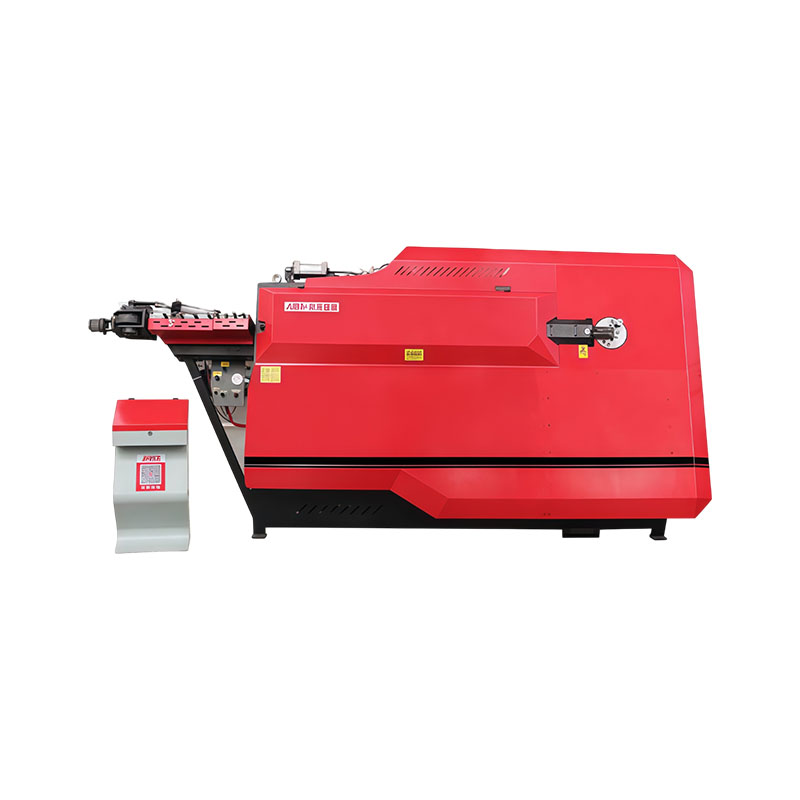
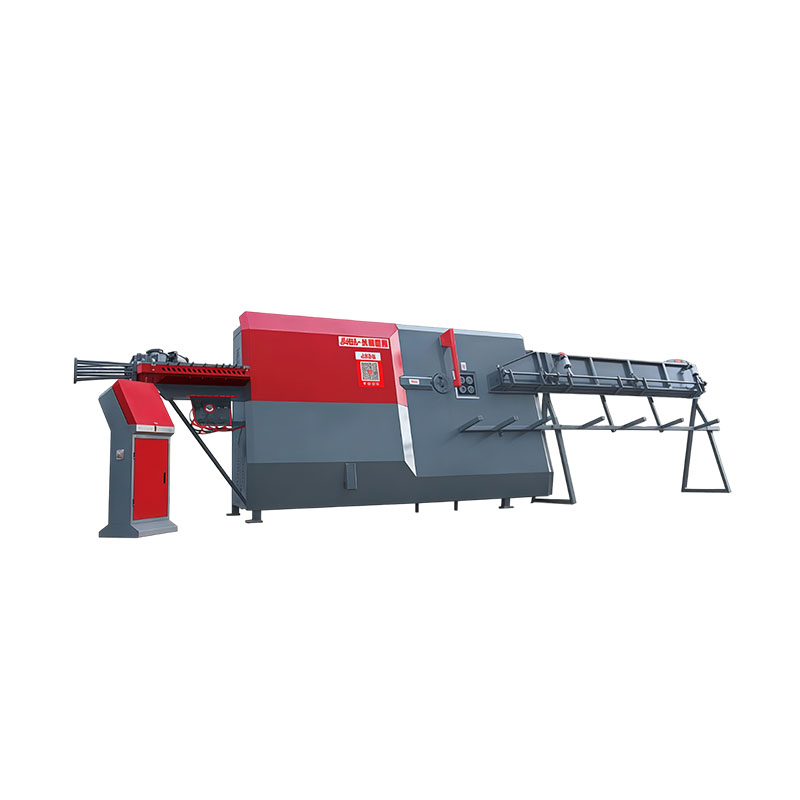
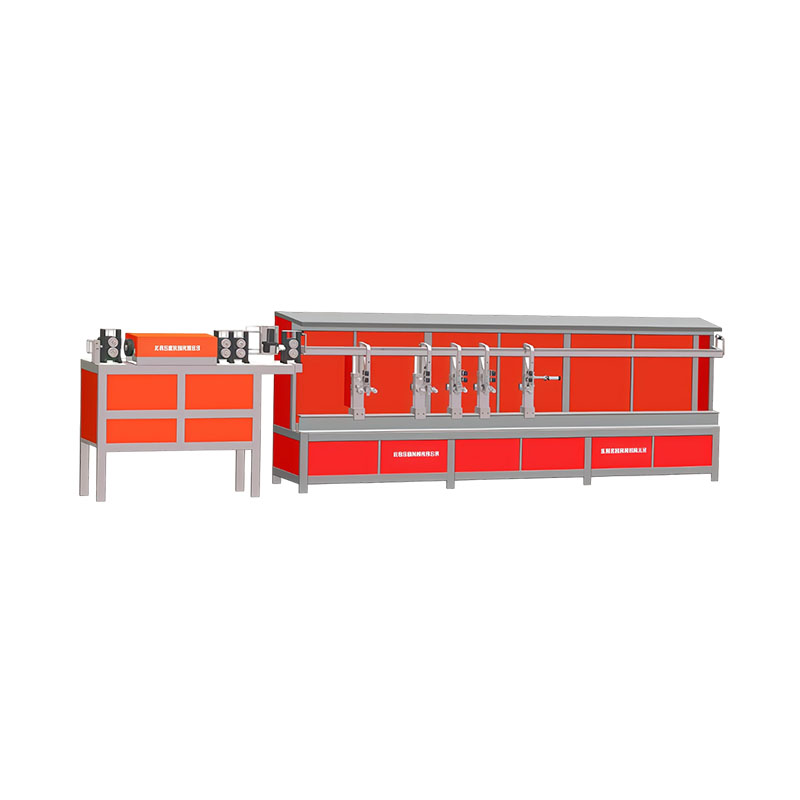
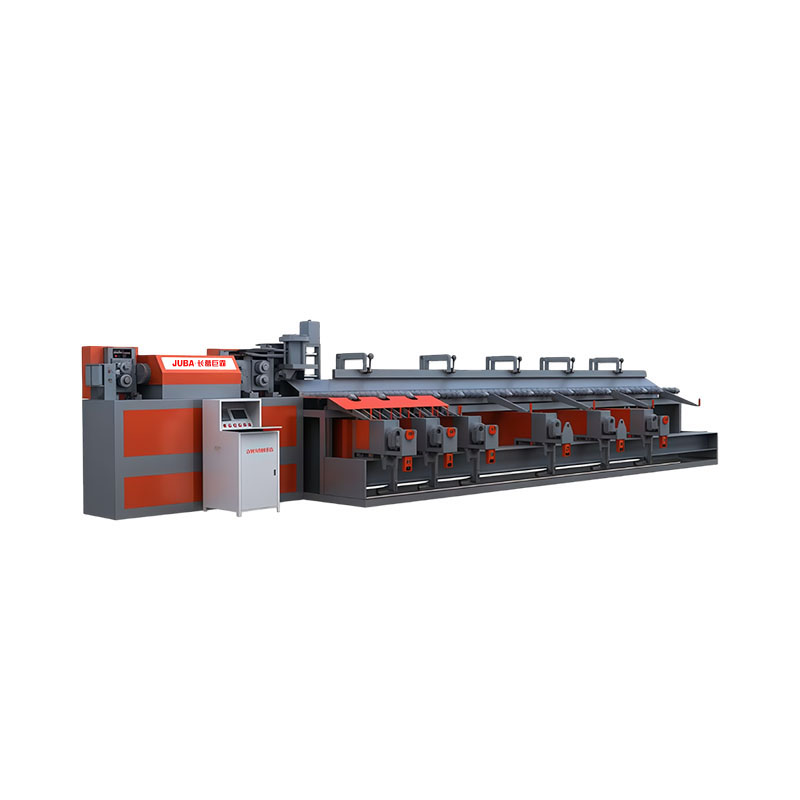
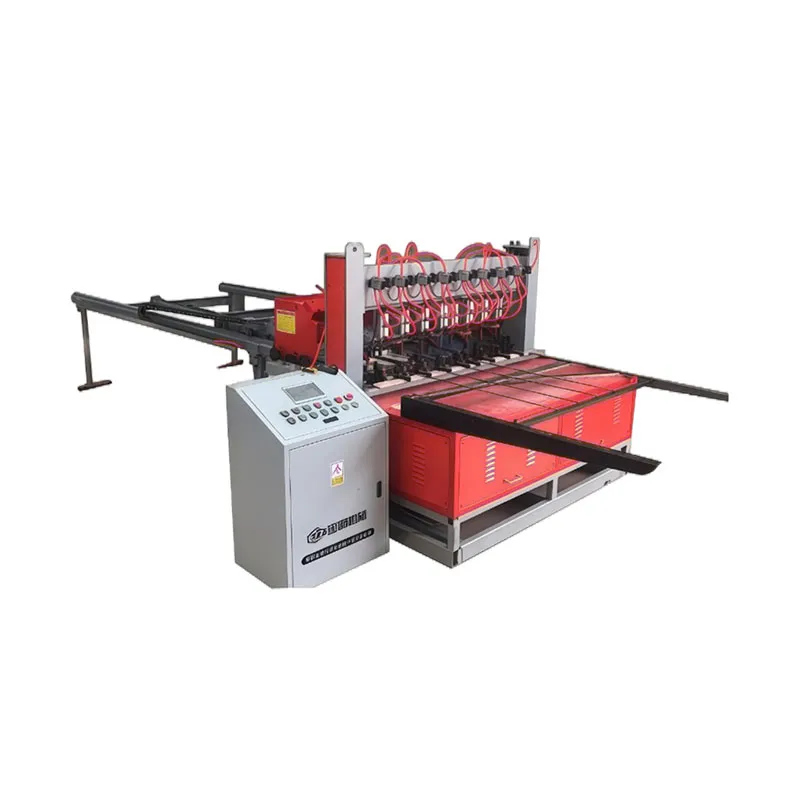
CNC Rebar Mesh Row Welding Machine
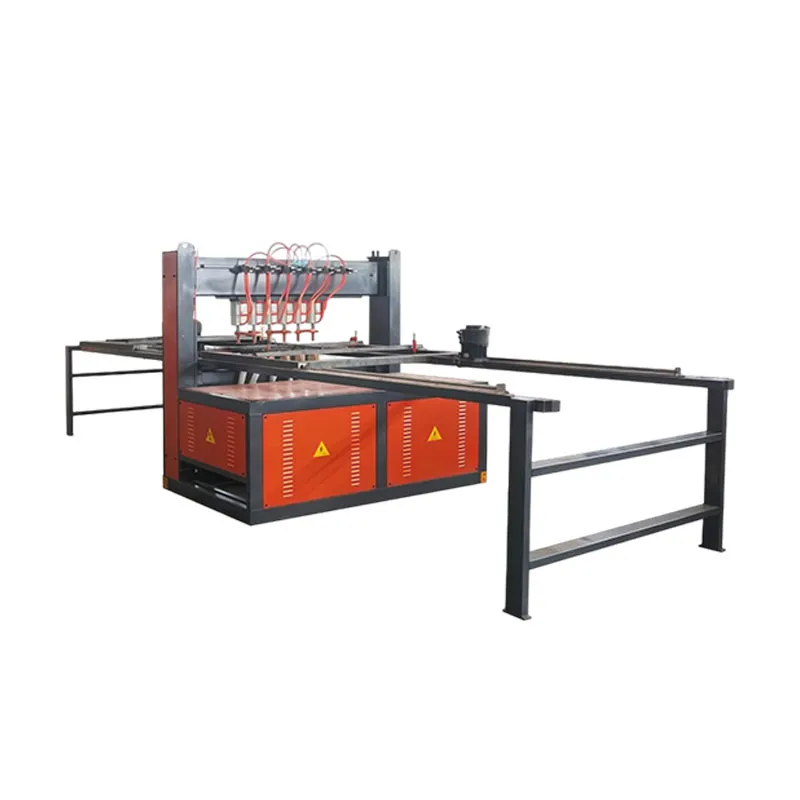
The CNC Rebar Mesh Row Welding Machine is an intelligent welding device driven by an electric motor. Its core features synchronous control technology, with separate welding and welding time precisely controlled by a digital programming system. The input panel offers both touchscreen and button options, making operation more intelligent and streamlined. The equipment features single-stage clamping and multi-stage welding. The welding power is electric, with a stepper motor hopper, a brake motor-driven carriage for warp feeding, and a stepper motor-driven carriage for mesh pulling. Both warp and weft wires are straightened and cut by a straightening machine. Vertical wires are manually placed, while horizontal wires are automatically dropped, significantly improving welding efficiency and quality. It is widely used in rebar mesh processing, building protection, and municipal engineering, and is a core piece of equipment for large-scale, standardized mesh processing.
Send Inquiry
Product Description
This equipment uses an electric motor as its core power source and employs advanced synchronous control technology to ensure coordinated and precise synchronization of all components during welding. This effectively avoids welding misalignment and uneven weld points, ensuring consistent mesh welding quality. Both welding and welding time are controlled by a digital programming system, eliminating the need for manual adjustment. This high-precision control allows for flexible setting of welding parameters to suit different mesh specifications.
The equipment's input panel offers both touchscreen and button operation, allowing operators to choose according to their preferences. The operation process is simple and intuitive, highly intelligent, and requires no complex professional training for quick mastery. It features single-stage pressing and multi-stage welding, ensuring firm pressing and stable welding. This guarantees strong and reliable welds while minimizing material deformation and improving mesh quality. The welding power is electrically driven, paired with a stepper motor hopper for precise and stable feeding. A brake motor drives the trolley for warp feeding, and a stepper motor drives the trolley for mesh pulling. These mechanisms work together to achieve efficient conveying and positioning of warp and weft wires. Both warp and weft wires are pre-straightened and cut by a straightening machine to ensure flatness and precise dimensions. Vertical wires are manually placed, while horizontal wires are automatically dropped, significantly reducing manual labor, improving processing efficiency, and adapting to batch mesh processing needs. The equipment is manufactured using precision machining processes, resulting in a robust structure, stable operation, and a long service life.
The equipment's input panel offers both touchscreen and button operation, allowing operators to choose according to their preferences. The operation process is simple and intuitive, highly intelligent, and requires no complex professional training for quick mastery. It features single-stage pressing and multi-stage welding, ensuring firm pressing and stable welding. This guarantees strong and reliable welds while minimizing material deformation and improving mesh quality. The welding power is electrically driven, paired with a stepper motor hopper for precise and stable feeding. A brake motor drives the trolley for warp feeding, and a stepper motor drives the trolley for mesh pulling. These mechanisms work together to achieve efficient conveying and positioning of warp and weft wires. Both warp and weft wires are pre-straightened and cut by a straightening machine to ensure flatness and precise dimensions. Vertical wires are manually placed, while horizontal wires are automatically dropped, significantly reducing manual labor, improving processing efficiency, and adapting to batch mesh processing needs. The equipment is manufactured using precision machining processes, resulting in a robust structure, stable operation, and a long service life.
Product Parameter
| System Name | Main Technical Performance Parameters and Configuration | Indicators |
| Complete System | Product Name | Mesh Welding Machine |
| Structure Type | Pneumatic Automatic | |
| Manufacturing Process | Precision Machining | |
| Main Unit Model | BRWHJ-220 | |
| Control System | Control System | CNC (Digital Programming Control) |
| Power Motor Model and Brand | Huanghe Whirlwind | |
| Power System | Stepper Motor Power | 1.5KW |
| Welding Length | 2000mm | |
| Complete Machine Performance | Welding Width | 1500mm |
| Welding Wire Diameter | 3-8mm | |
| Number of Welding Points | 8 | |
| Mesh Diagonal Error | ≤2mm | |
| Number of Welding Transformers | 3 units | |
| Total Capacity of Welding Transformers | 120KVA | |
| Welding Speed | 2 rows/min | |
| Working Voltage | 380V | |
| Dimensions | 4900×2300×1450mm | |
| Complete Machine Weight | 2000Kg |
Product Feature
| Comparison Items | Traditional Ordinary Welding Machine | Our Mesh Welding Machine |
| Control Method | Manual control results in low welding time and precision, making it prone to errors. | Numerical control (NC) with programming ensures precise control over welding time and precision, intelligent operation, and eliminates human error. |
| Operational Ease | Complex operation requires professional training, offers only a single operating method, and has poor adaptability. | Supports both touchscreen and button operation, with a simple process, requiring no complex training, and adaptable to different operators. |
| Welding Quality | Lack of synchronous control leads to welding misalignment, uneven weld points, large material deformation, and poor mesh regularity. | Synchronous control technology enables one-time clamping and multi-stage welding, resulting in strong weld points, minimal material deformation, and a mesh diagonal error ≤2mm. |
| Processing Efficiency | Manual feeding and wire dropping result in slow welding speeds, hindering continuous operation and reducing batch processing efficiency. | Stepper motor hopper and automatic wire dropping achieve a welding speed of 2 rows/minute, enabling continuous operation and significantly improving batch processing efficiency. |
| Labor Costs | Requires multiple operators, leading to high labor intensity and costs. | High automation requires only a small number of personnel, significantly reducing labor intensity and costs. |
| Operational Stability | Simple manufacturing process, loose structure, prone to failure and poor stability during long-term operation. | Precision machining process, Yellow River Cyclone power unit, robust structure, capable of long-term continuous and stable operation. |
| Energy Consumption Control | Inaccurate energy consumption control leads to high energy consumption during long-term operation and high operating costs. | Automated and precise control ensures controllable energy consumption, and with a high-quality power configuration, reduces long-term operating costs. |
Send Inquiry
Please Feel free to give your inquiry in the form below. We will reply you in 24 hours.